

- University
- Academic
- Schools/Vocational Schools
- Vocational School of Justice
- Vocational School
- Vocational School
- Department of Banking and Insurance (Turkish)
- Department of Computer Programming (Turkish)
- Department of Foreign Trade (Turkish)
- Department of Graphic Design (Turkish)
- Department of Interior Design (Turkish)
- Department of Construction Technology (Turkish)
- Department of Occupational Health and Safety (Turkish)
- Department of Media and Communication (Turkish)
- Department of Architectural Restoration (Turkish)
- Department of Radio and Tv Programming (Turkish)
- Department of Civil Aviation Cabin Services (Turkish)
- Department of Civil Aviation Transportation Management (Turkish)
- Department of Tourism and Hotel Management (Turkish)
- Department of Applied English Translation
- Vocational School Of Health Services
- Vocational School Of Health Services
- Department of Child Development (Turkish)
- Department of Physiotherapy (Turkish)
- Department of Paramedic (Turkish)
- Department of Opticianry (Turkish)
- Department of Medical Documentation and Secreteriat (Turkish)
- Department of Medical Imaging Techniques (Turkish)
- Department of Medical Laboratory Techniques (Turkish)
- Department of Elderly Care (Turkish)
- School of Applied Management Sciences
- School of Foreign Languages
- Faculties
- Faculty of Arts and Sciences
- Faculty of Fine Arts and Design
- Faculty of Law
- Faculty of Communication
- Faculty of Business
- Faculty of Engineering
- Faculty of Engineering
- Department of Computer Engineering
- Department of Biomedical Engineering
- Department of Electrical and Electronics Engineering
- Department of Industrial Engineering
- Department of Food Engineering
- Department of Genetics and Bioengineering
- Department of Aerospace Engineering
- Department of Civil Engineering
- Department of Mechanical Engineering
- Department of Mechatronics Engineering
- Department of Software Engineering
- Faculty of Health Sciences
- Medicine
- Graduate School
- Common Courses
- Schools/Vocational Schools
- Research
- Research Centers
- Library
- Smart Campus
- Technology Transfer Office
- İzmir Sciencepark
- Continuous Education Center (EKOSEM)
- Children's University
- Ethics Committee
- Teaching and Learning Center (EKOEĞİTİM)
- Psychology Application and Research Center
- Researcher Training Coordinatorship
- Research Collaborations And Innovation Coordinatorship
- Campus
- INTERNATIONAL
- Contact
- 25TH YEAR
Department of Nutrition and Dietetics
BES 355 | Course Introduction and Application Information
| Course Name |
Nutrition and İmmune System
|
|
Code
|
Semester
|
Theory
(hour/week) |
Application/Lab
(hour/week) |
Local Credits
|
ECTS
|
|
BES 355
|
Fall/Spring
|
3
|
0
|
3
|
4
|
| Prerequisites |
None
|
|||||
| Course Language |
Turkish
|
|||||
| Course Type |
Elective
|
|||||
| Course Level |
First Cycle
|
|||||
| Mode of Delivery | - | |||||
| Teaching Methods and Techniques of the Course | DiscussionQ&ALecture / Presentation | |||||
| National Occupation Classification | - | |||||
| Course Coordinator | ||||||
| Course Lecturer(s) | ||||||
| Assistant(s) | ||||||
| Course Objectives | The aim of this course is to provide students with knowledge about the related and characteristics of nutrition and immunity and to teach approaches to causative macro/ micro nutrients and immunity , planning nutritional therapy, and preventing enfections reactions and oto-immunity related disease sensitivities. |
| Learning Outcomes |
The students who succeeded in this course;
|
| Course Description | This course covers the characteristics and functions of immune system cells and examines the roles of macronutrients and micronutrients associated with these functions. It also explores the effects of nutrition on the immune system and its role in disease prevention and treatment based on current evidence. |
| Related Sustainable Development Goals |
|
|
|
Core Courses |
X
|
| Major Area Courses | ||
| Supportive Courses | ||
| Media and Management Skills Courses | ||
| Transferable Skill Courses |
WEEKLY SUBJECTS AND RELATED PREPARATION STUDIES
| Week | Subjects | Related Preparation |
| 1 | What is the immune system? Definition of the immune system, basic concepts, and immune system organs (lymphoid organs). | Gershwin, M. E., Nestel, P., & Keen, C. L. (Eds.). (2004). Handbook of nutrition and immunity. Springer Science & Business Media |
| 2 | What are immune system cells? Functions of the immune system; innate and adaptive immune responses. | 2025 Nobel Fizyoloji ve Tıp Ödülü: Bizİ bizden koruyan hücrelerimiz Emin Kansu 4 Aralık 2025 Sarkaç dergisi |
| 3 | Humoral and cellular immunity mechanisms. | Aggarwal, B. B., & Heber, D. (Eds.). (2014). Immunonutrition: Interactions of diet, genetics, and inflammation (1st ed.). CRC Press. |
| 4 | What is the adaptive immune system? Acute vs. chronic inflammation | Friedland,J.,Lightstone L. Infection and Immunity,2th Edition,Taylor Francis Group,UK,2004 |
| 5 | Characterization of the cells involved in these systems and the relationship between chronic inflammation and nutrition: effects of malnutrition on immunity | Gershwin, M. E., Nestel, P., & Keen, C. L. (Eds.). (2004). Handbook of nutrition and immunity. Springer Science & Business Media. Friedland,J.,Lightstone L. Infection and Immunity,2th Edition,Taylor Francis Group,UK,2004 |
| 6 | Impact of macronutrients (carbohydrates, proteins, fats, and omega-3 fatty acids) on immune functions | Chung J, Vallurupalli M, et al. Sialylated CD43 forms a glyco-immune barrier that restrains anti-leukemic immunity. Science. Online April 9, 2026. DOI: 10.1126/science.ady5196 |
| 7 | Micronutrients and their roles in immune system cells | Gershwin, M. E., Nestel, P., & Keen, C. L. (Eds.). (2004). Handbook of nutrition and immunity. Springer Science & Business Media |
| 8 | Ara Sınav | |
| 9 | What are the energy sources for immune system cells? Discussion with Case Studies | Gershwin, M. E., Nestel, P., & Keen, C. L. (Eds.). (2004). Handbook of nutrition and immunity. Springer Science & Business Media |
| 10 | Diseases associated with immune system deficiency: Various infections. Discussion with Case Studies | Friedland,J.,Lightstone L. Infection and Immunity,2th Edition,Taylor Francis Group,UK,2004 |
| 11 | Autoimmune diseases (Type 1 diabetes, autoimmune diabetes mellitus), cancer. Discussion with Case Studies | Cehreli Ruksan , Moleculer Nutritional Immunology and Cancer. Journal of Oncological Sciences 4 (1), 40-46, 2018. |
| 12 | Autoimmune diseases: Thyroid disorders (Hashimoto's), Discussion with Case Studies | Cehreli Ruksan , Moleculer Nutritional Immunology and Cancer. Journal of Oncological Sciences 4 (1), 40-46, 2018. |
| 13 | Autoimmune diseases: Gastrointestinal diseases (ulcerative colitis, IBD, IBS, Crohn's disease). Discussion with Case Studies | Aggarwal, B. B., & Heber, D. (Eds.). (2014). Immunonutrition: Interactions of diet, genetics, and inflammation (1st ed.). CRC Press. |
| 14 | Rheumatic diseases (ankylosing spondylitis, ...). Discussion with Case Studies | Aggarwal, B. B., & Heber, D. (Eds.). (2014). Immunonutrition: Interactions of diet, genetics, and inflammation (1st ed.). CRC Press. |
| 15 | Semester Review | |
| 16 | Final exam |
| Course Notes/Textbooks | Mahan L.K., Escott-Stump S. Krause's Food, Nutrition and Diet Therapy, 10th Edition, W. B. Saunders Company, USA, 2000. Gershwin,E.,Nestel P.,Keen C.Handbook of Nutrition and Immunity,Humana Press,New Jersey,2004. |
||||||
| Suggested Readings/Materials |
Cehreli Ruksan , Moleculer Nutritional Immunology and Cancer. . Journal of Oncological Sciences 4 (1), 40-46, 2018. 17, 2018. |
EVALUATION SYSTEM
| Semester Activities | Number | Weigthing |
| Participation | ||
| Laboratory / Application | ||
| Field Work | ||
| Quizzes / Studio Critiques | ||
| Portfolio | ||
| Homework / Assignments | ||
| Presentation / Jury | ||
| Project | ||
| Seminar / Workshop | ||
| Oral Exams |
1
|
10
|
| Midterm |
1
|
30
|
| Final Exam |
1
|
60
|
| Total |
| Weighting of Semester Activities on the Final Grade |
2
|
40
|
| Weighting of End-of-Semester Activities on the Final Grade |
1
|
60
|
| Total |
ECTS / WORKLOAD TABLE
| Semester Activities | Number | Duration (Hours) | Workload |
|---|---|---|---|
| Theoretical Course Hours (Including exam week: 16 x total hours) |
16
|
3
|
48
|
| Laboratory / Application Hours |
16
|
0
|
|
| Study Hours Out of Class |
14
|
2
|
28
|
| Field Work |
0
|
||
| Quizzes / Studio Critiques |
0
|
||
| Portfolio |
0
|
||
| Homework / Assignments |
0
|
||
| Presentation / Jury |
0
|
||
| Project |
0
|
||
| Seminar / Workshop |
0
|
||
| Oral Exam |
1
|
2
|
2
|
| Midterms |
1
|
12
|
12
|
| Final Exam |
1
|
15
|
15
|
| Total |
105
|
COURSE LEARNING OUTCOMES AND PROGRAM QUALIFICATIONS RELATIONSHIP
|
#
|
Program Competencies/Outcomes |
* Contribution Level
|
|||||
|
1
|
2
|
3
|
4
|
5
|
|||
| 1 |
Effectively uses evidence-based professional knowledge of basic, health and social sciences required by the dietitian profession throughout their professional life. |
-
|
-
|
-
|
-
|
-
|
|
| 2 |
Gains the ability to use the acquired knowledge to improve the health level and quality of life of the society. |
X
|
-
|
-
|
-
|
-
|
|
| 3 |
Gains the ability to work effectively as an individual and to take responsibility in multidisciplinary teamwork. |
X
|
-
|
-
|
-
|
-
|
|
| 4 |
Identifies, defines, interprets, decides and solves the problems that may be encountered in different fields of Nutrition and Dietetics. |
-
|
-
|
-
|
-
|
-
|
|
| 5 |
Applies individual-specific professional knowledge in accordance with the physiological, environmental and socio-cultural needs of healthy and/or sick individuals. |
-
|
X
|
-
|
-
|
-
|
|
| 6 |
Continuously improve themselves in their field by using accurate and reliable information and modern information technologies. |
-
|
X
|
-
|
-
|
-
|
|
| 7 |
Acquires the ability to communicate verbally and in writing at national and international level on professional issues related to the field of Nutrition and Dietetics. |
-
|
-
|
-
|
-
|
-
|
|
| 8 |
Acts in accordance with social, scientific and ethical values in the stages of data collection, interpretation and evaluation of results while conducting research in the field of Nutrition and Dietetics. |
-
|
X
|
-
|
-
|
-
|
|
| 9 |
Acquires knowledge and practical skills in the development of individual and social nutrition recommendations at national and international level, and the establishment of food and nutrition plans and policies. |
-
|
-
|
-
|
-
|
-
|
|
| 10 |
Acts in accordance with the awareness of professional ethics within the legal framework related to their duties, rights and responsibilities. Sets an example to colleagues and society. |
-
|
X
|
-
|
-
|
-
|
|
*1 Lowest, 2 Low, 3 Average, 4 High, 5 Highest
NEWSALL NEWS



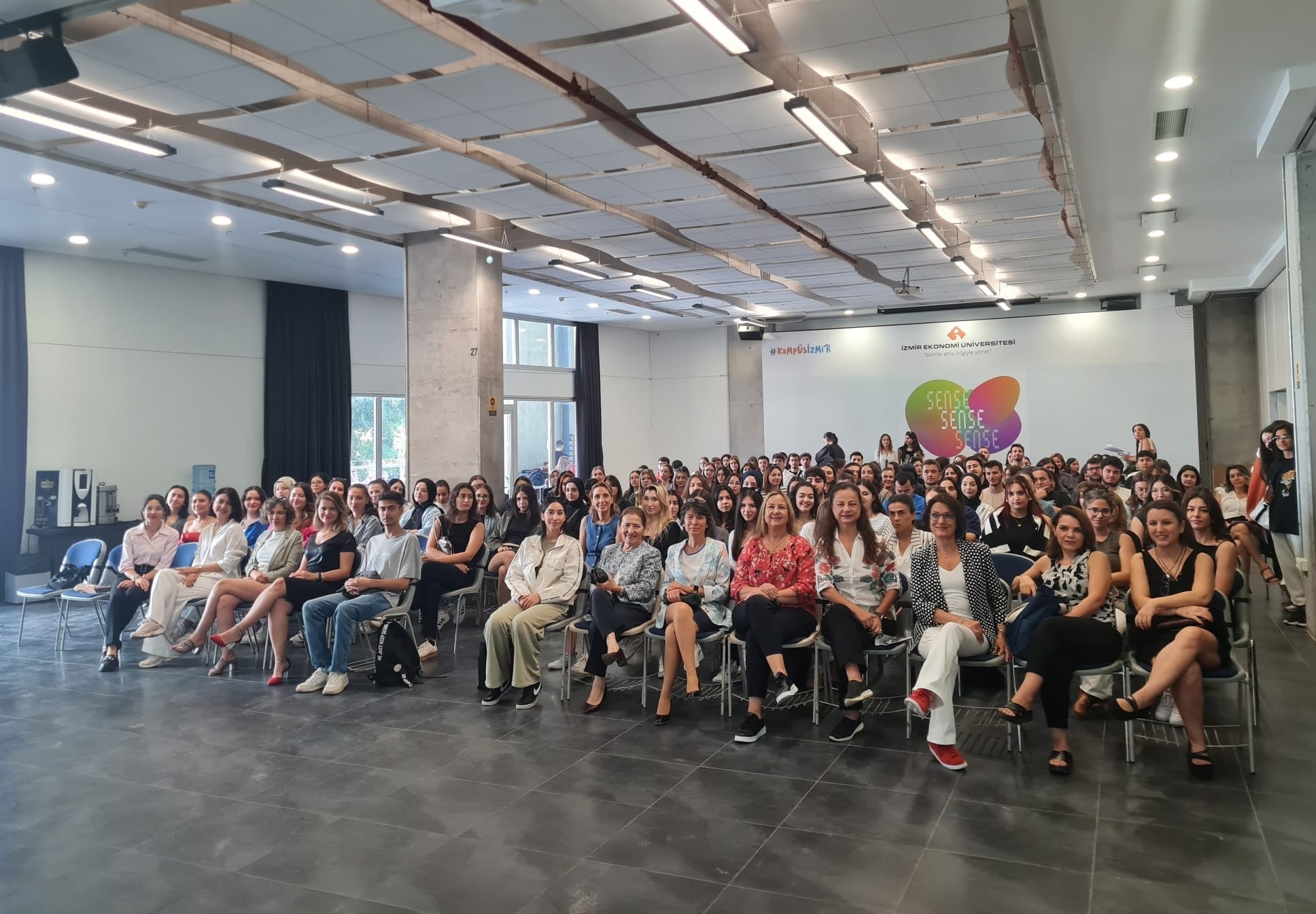
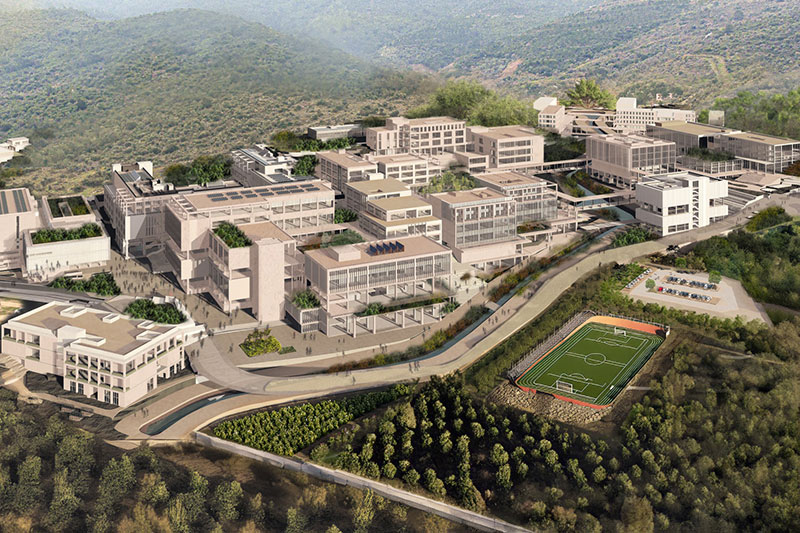
IZMIR UNIVERSITY OF ECONOMICS GÜZELBAHÇE CAMPUS
DetailsGLOBAL CAREER
As Izmir University of Economics transforms into a world-class university, it also raises successful young people with global competence.
More..CONTRIBUTION TO SCIENCE
Izmir University of Economics produces qualified knowledge and competent technologies.
More..VALUING PEOPLE
Izmir University of Economics sees producing social benefit as its reason for existence.
More..
You are one step ahead with your graduate education at Izmir University of Economics.